On View at the Museum:
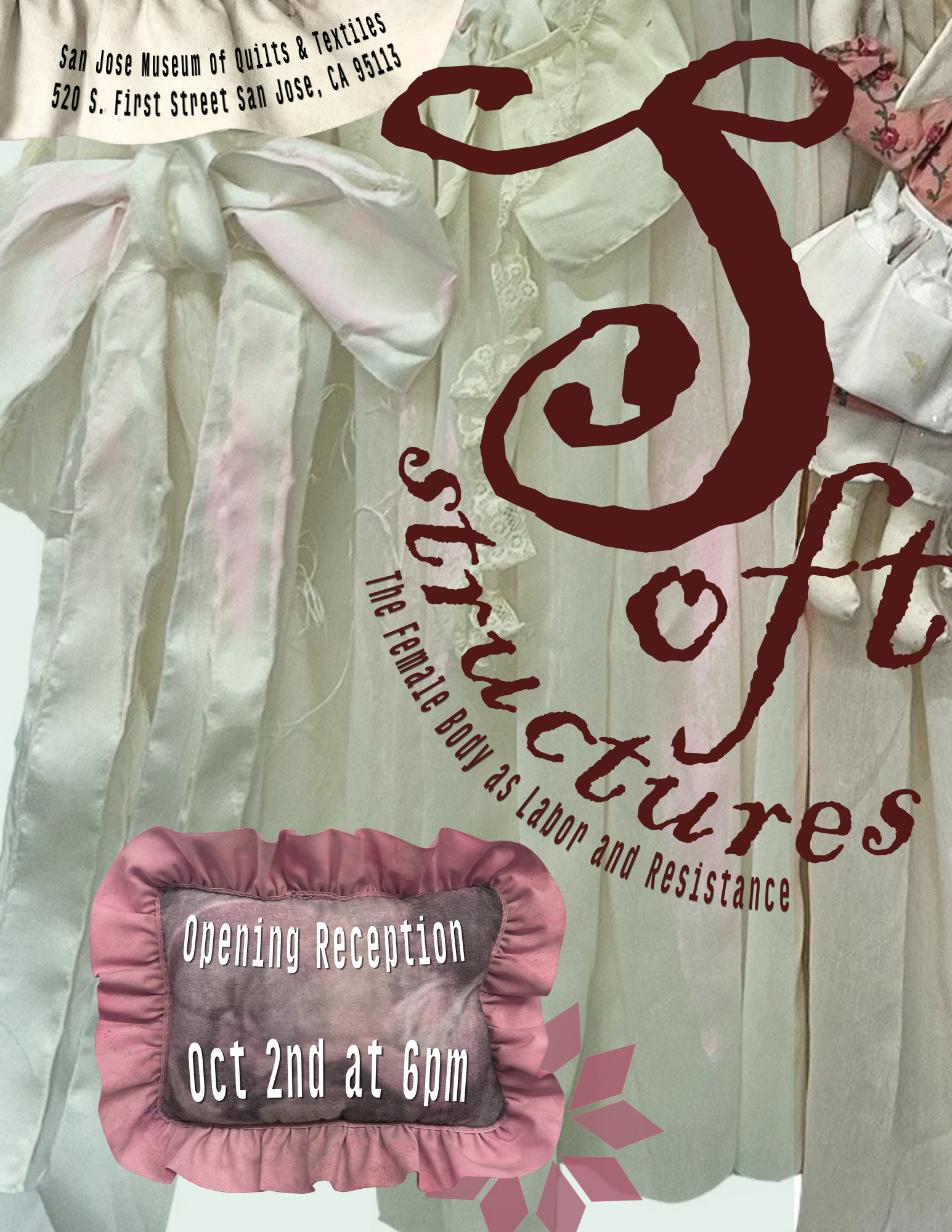
Soft Structures: The Female Body as Labor and Resistence
Special Exhibit opens at the San Jose Museum of Quilts & Textiles on Thursday, October 1st, 2026 through Sunday, January 10th, 2027
Thursdays, Fridays | 1 pm to 5 pm
Saturdays, Sundays | 11 am to 5 pm
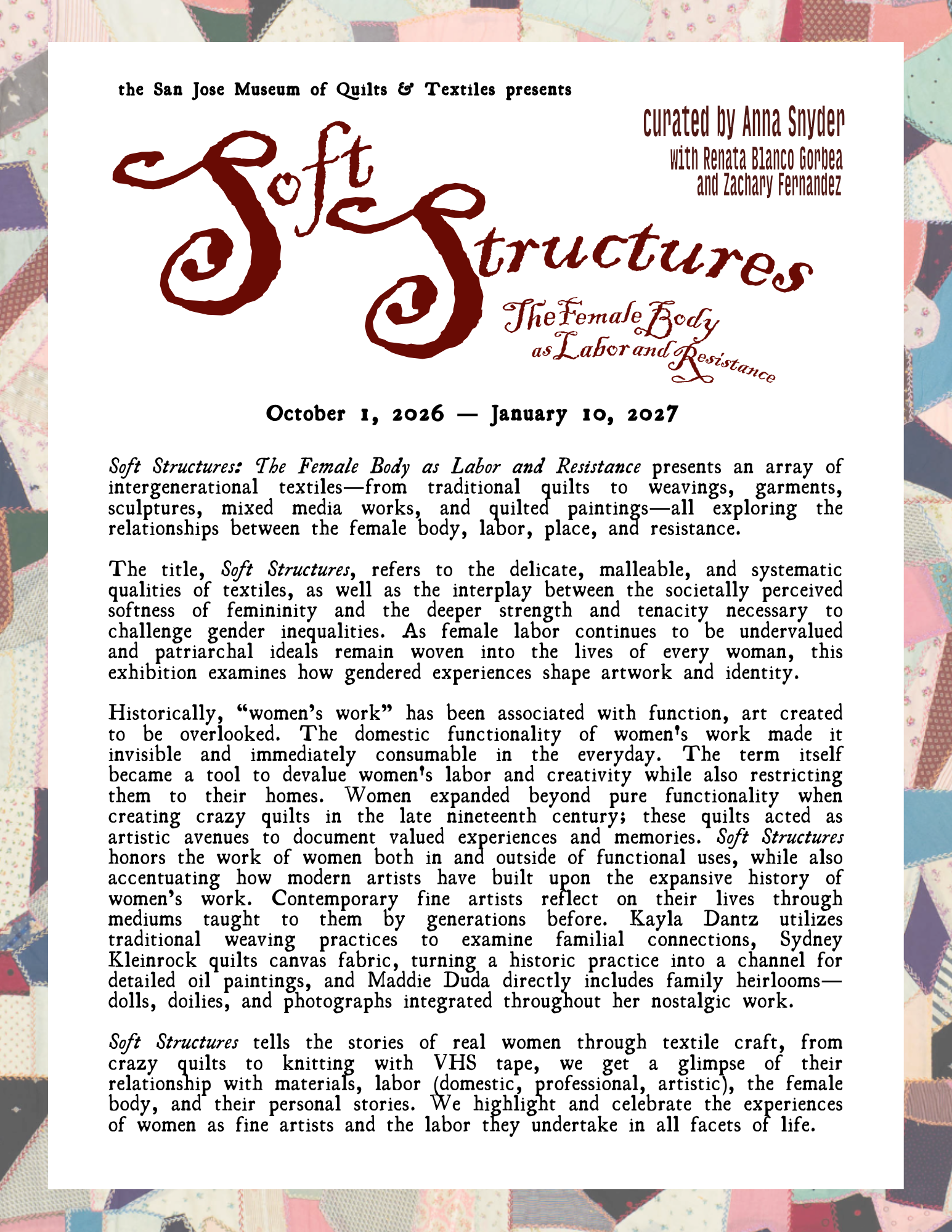
Curated by Anna Snyder, with Renata Blanco Gorbea and Zachary Fernandez
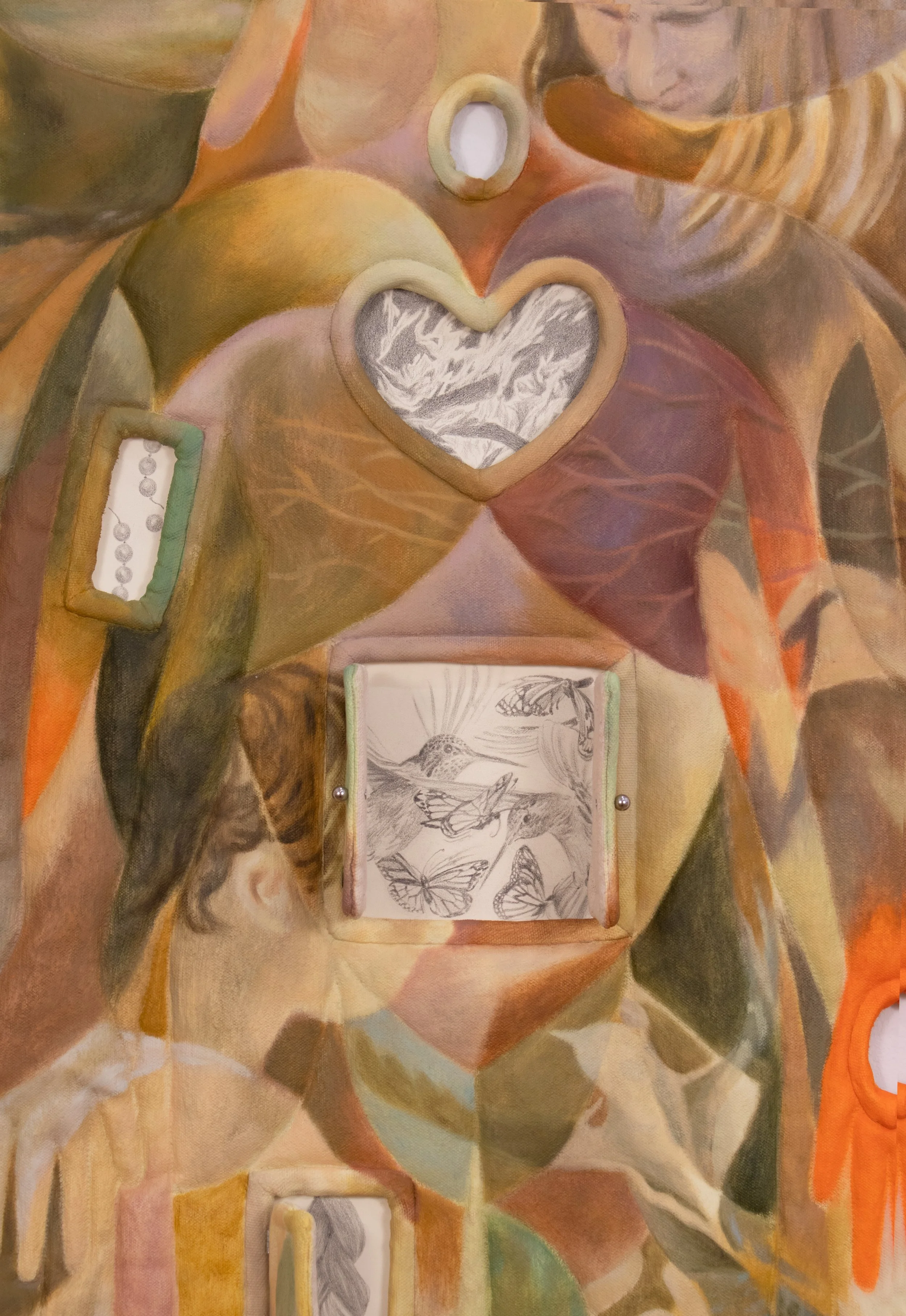
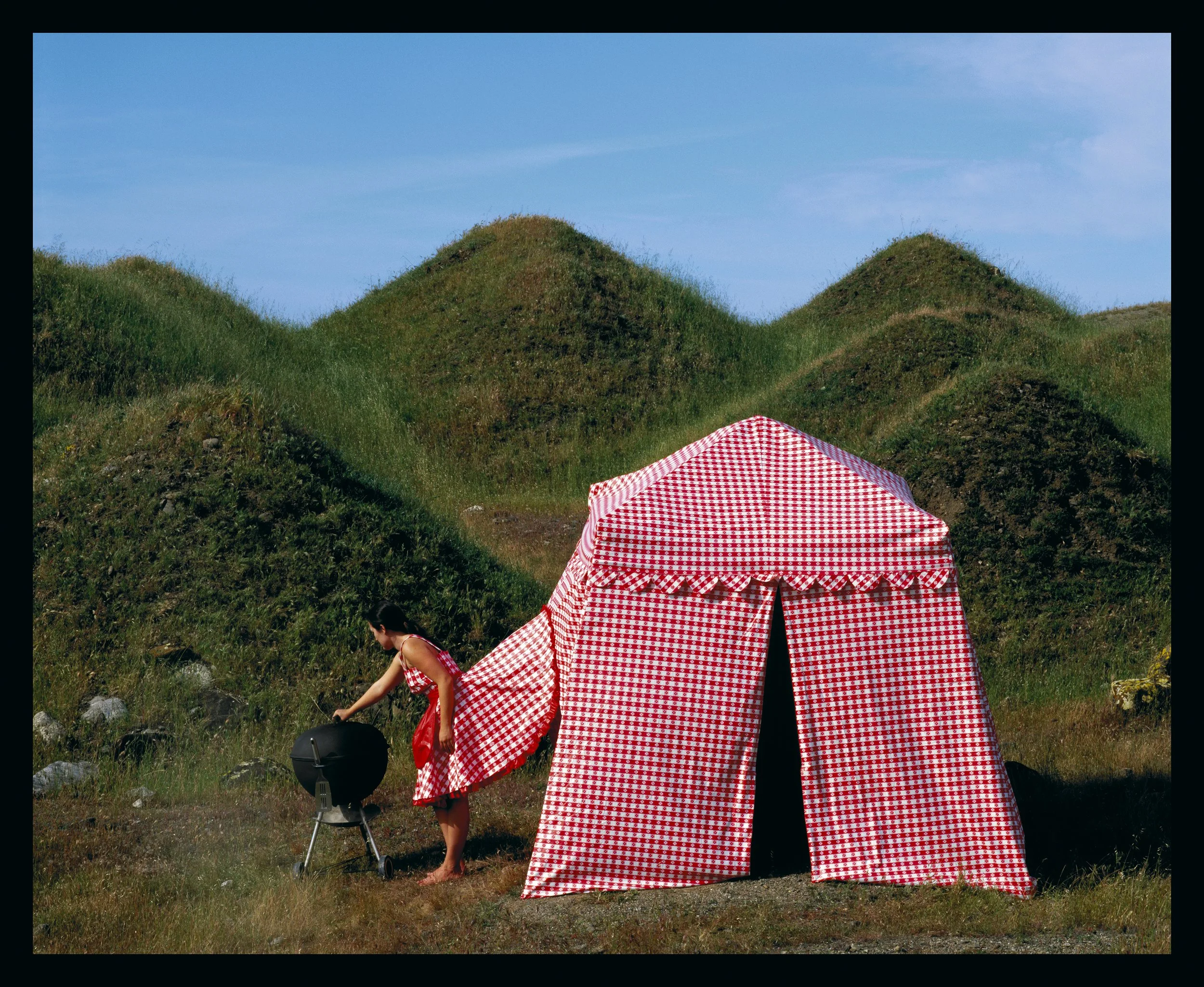
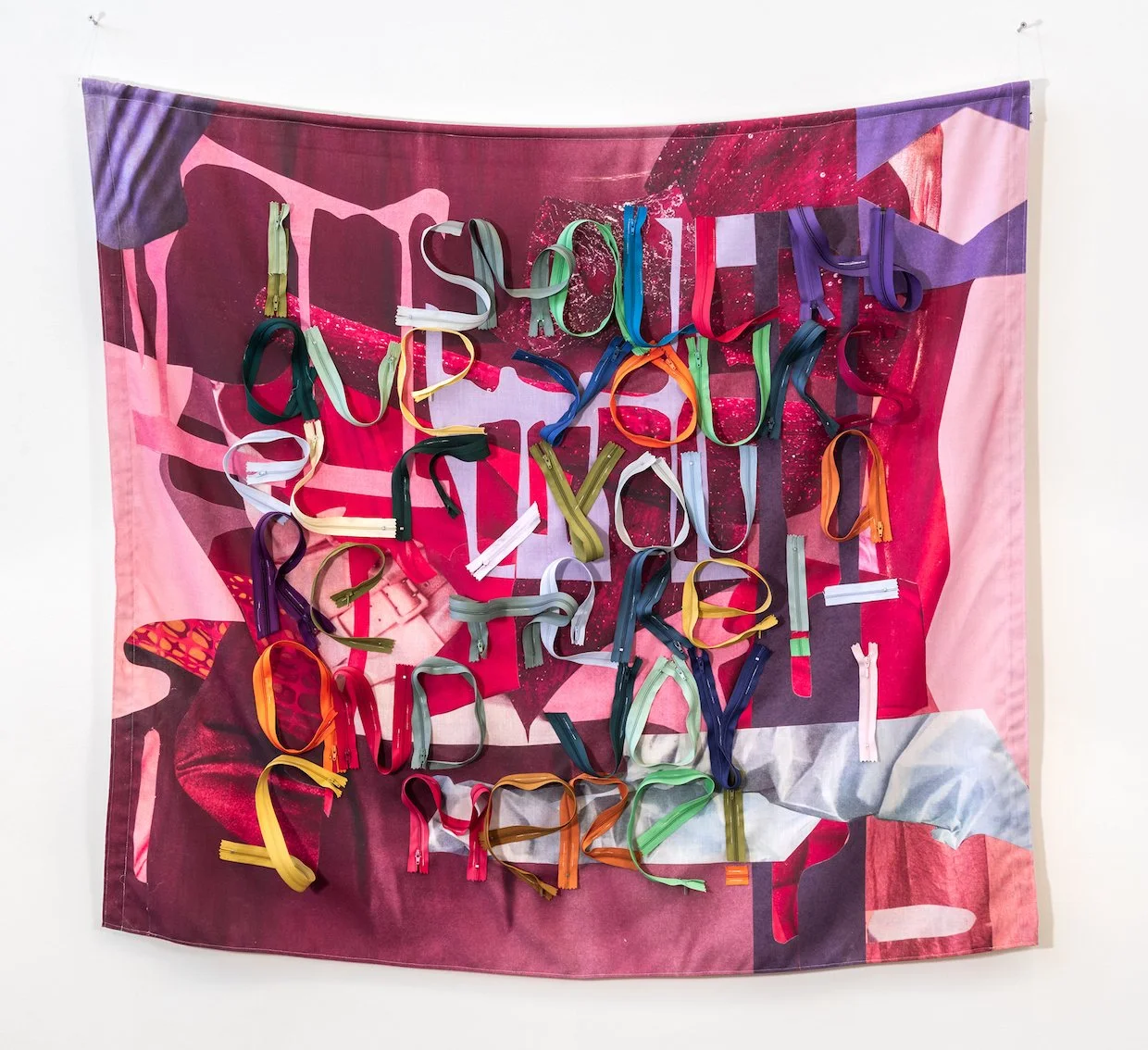
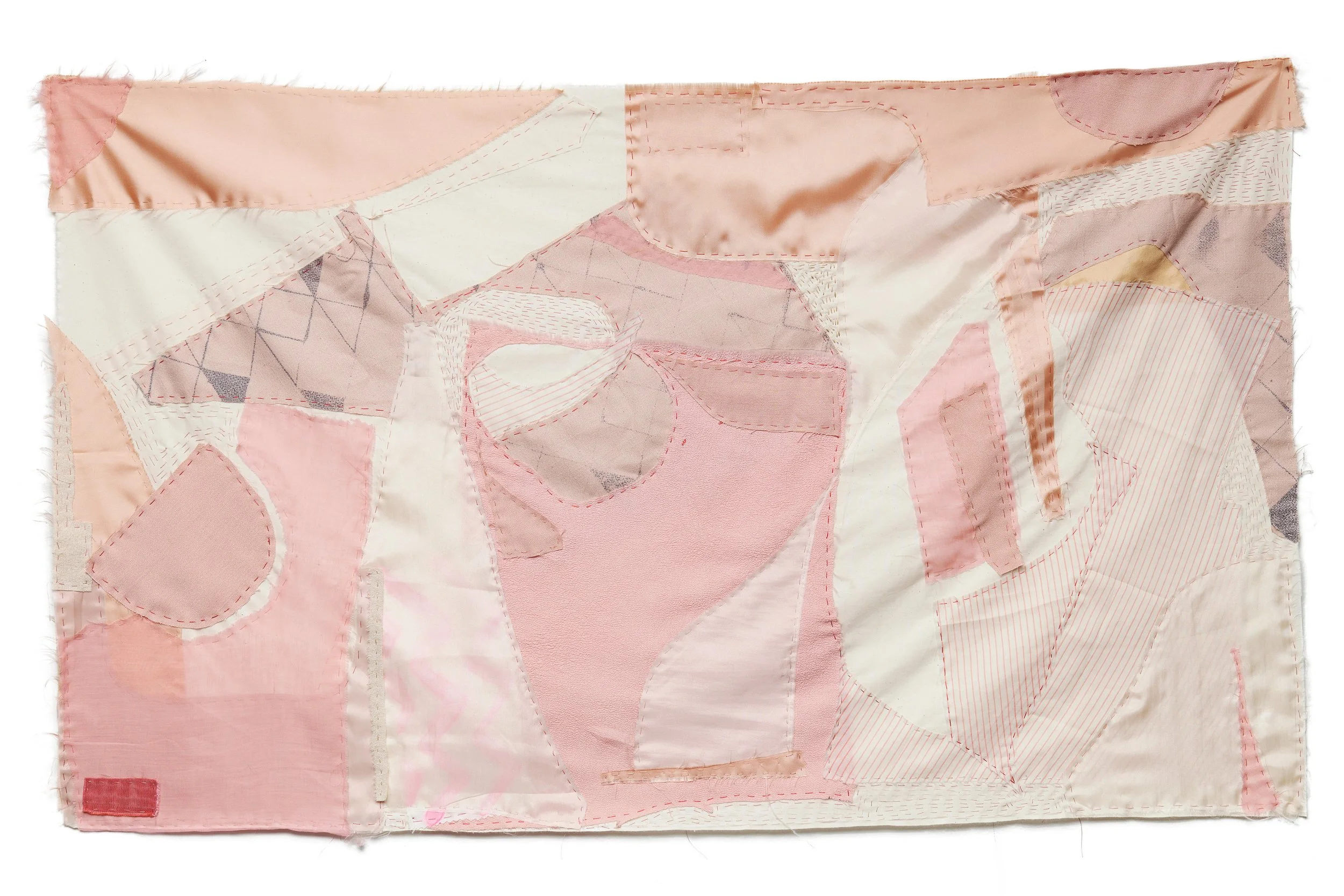
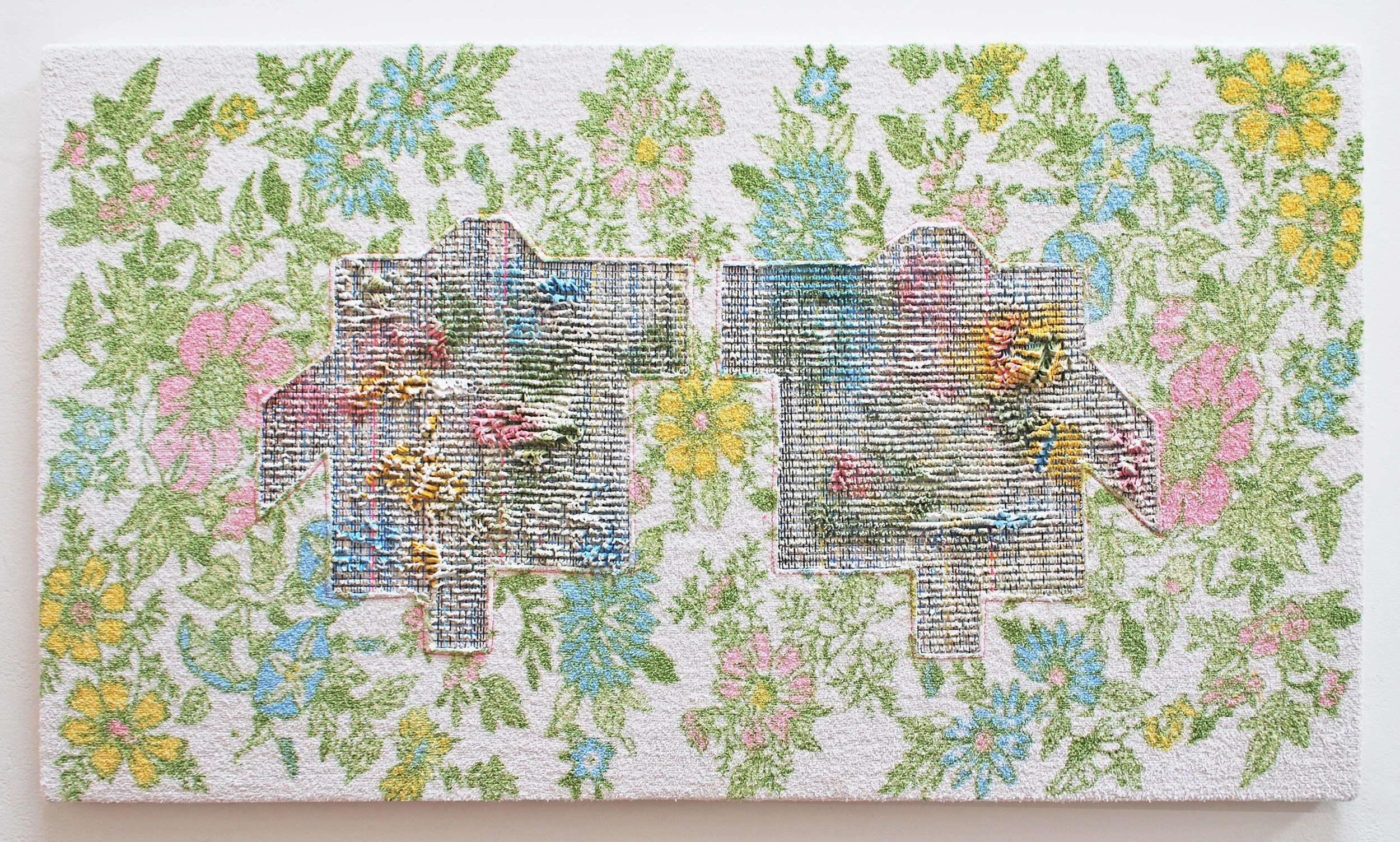
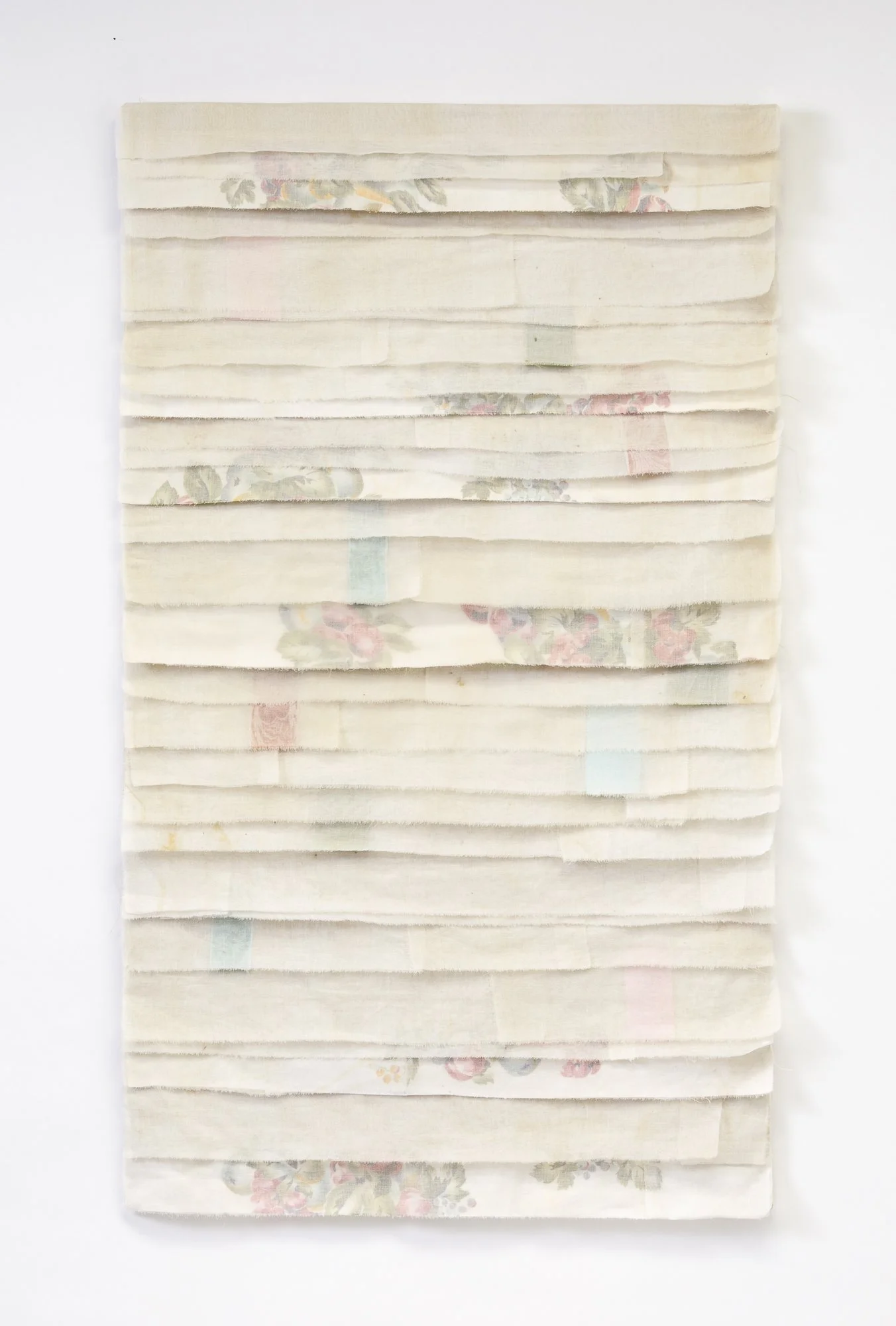
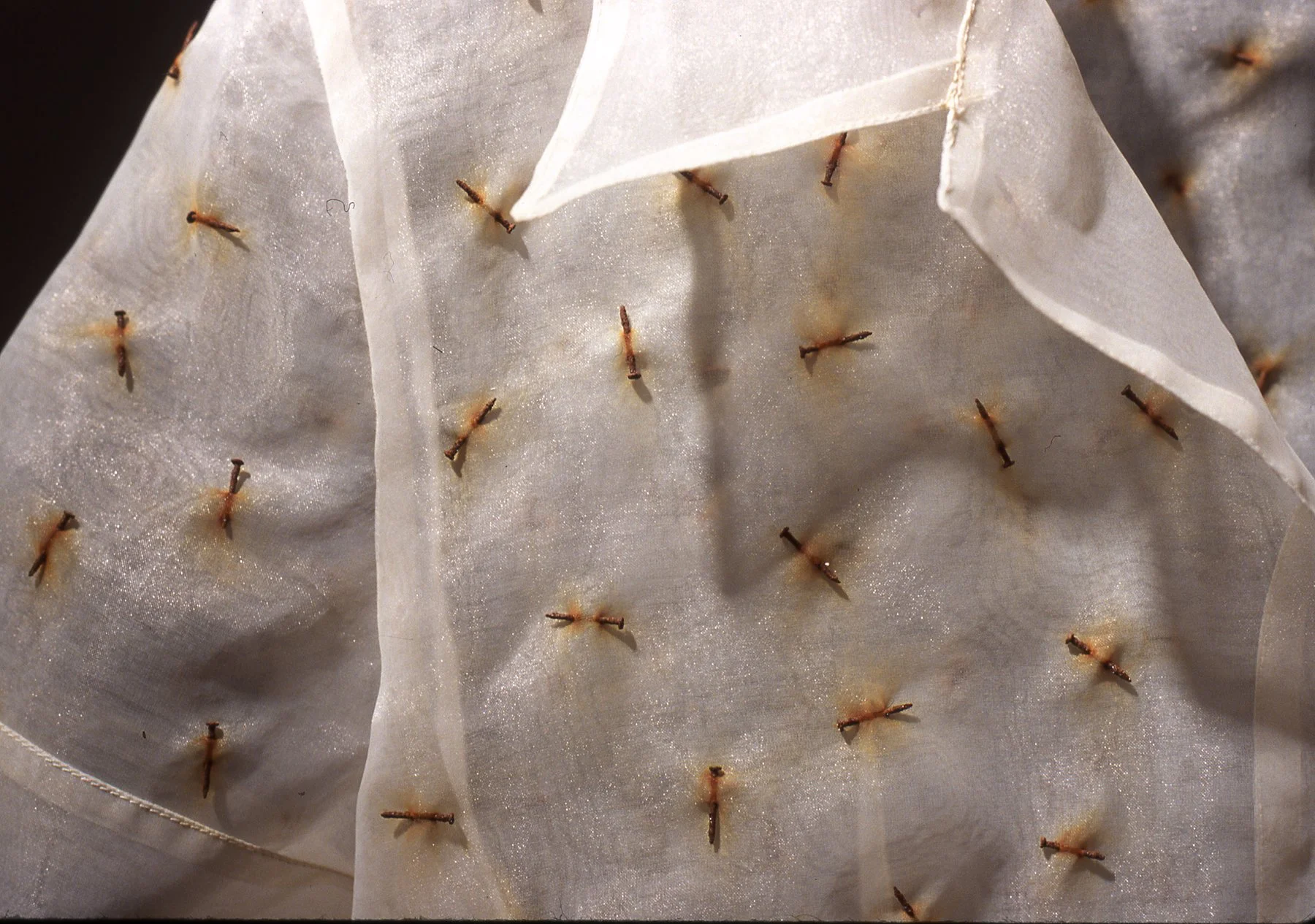
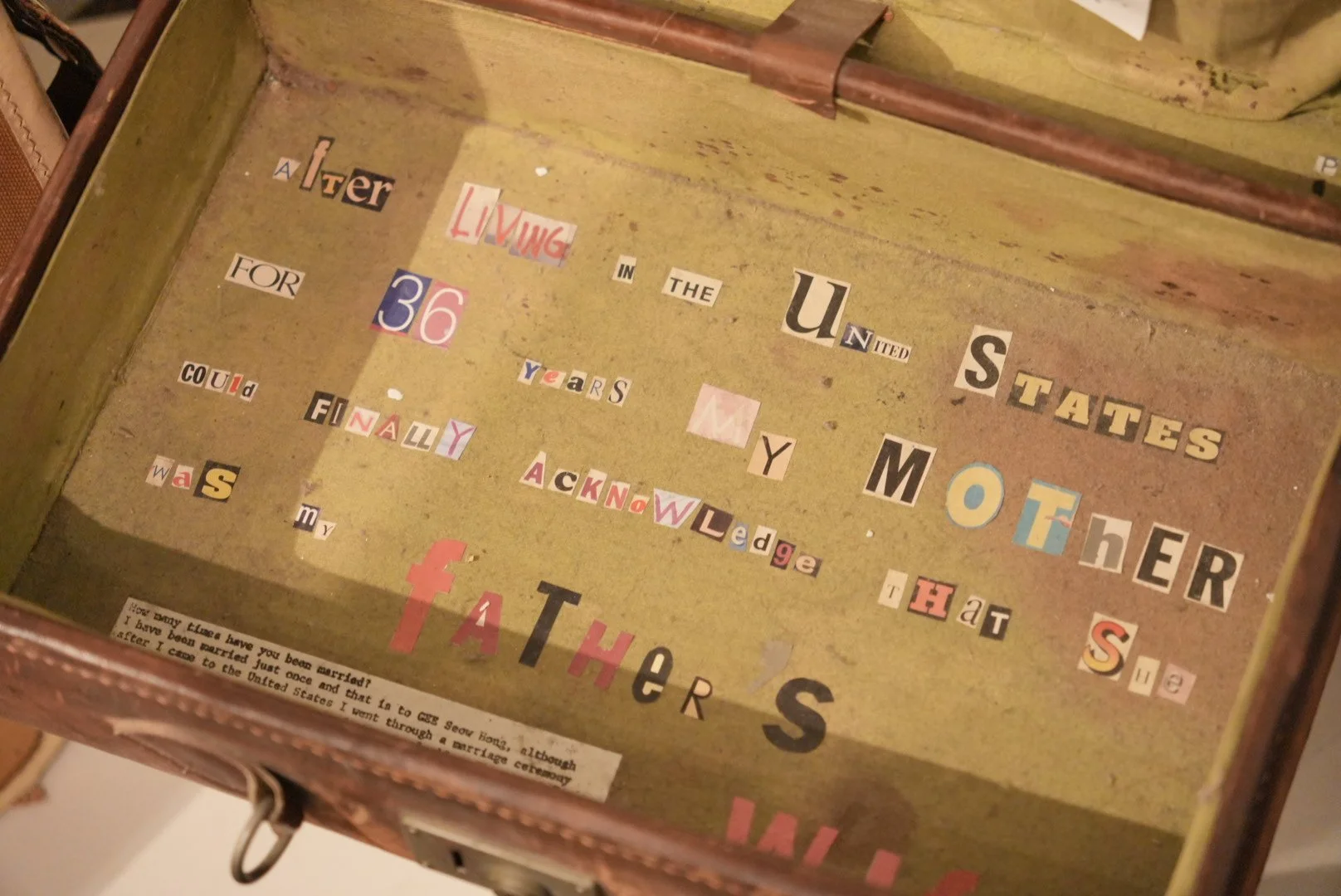
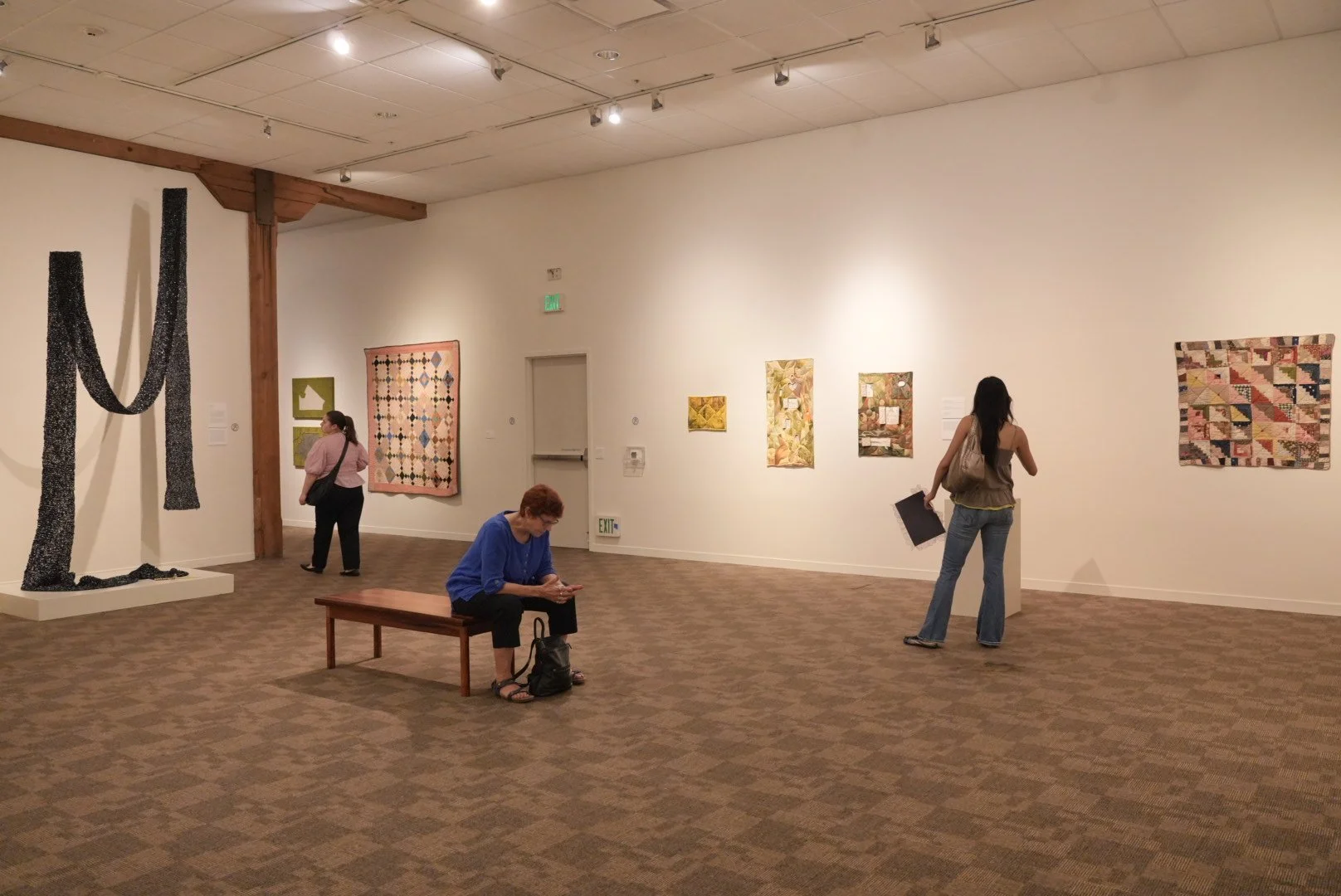
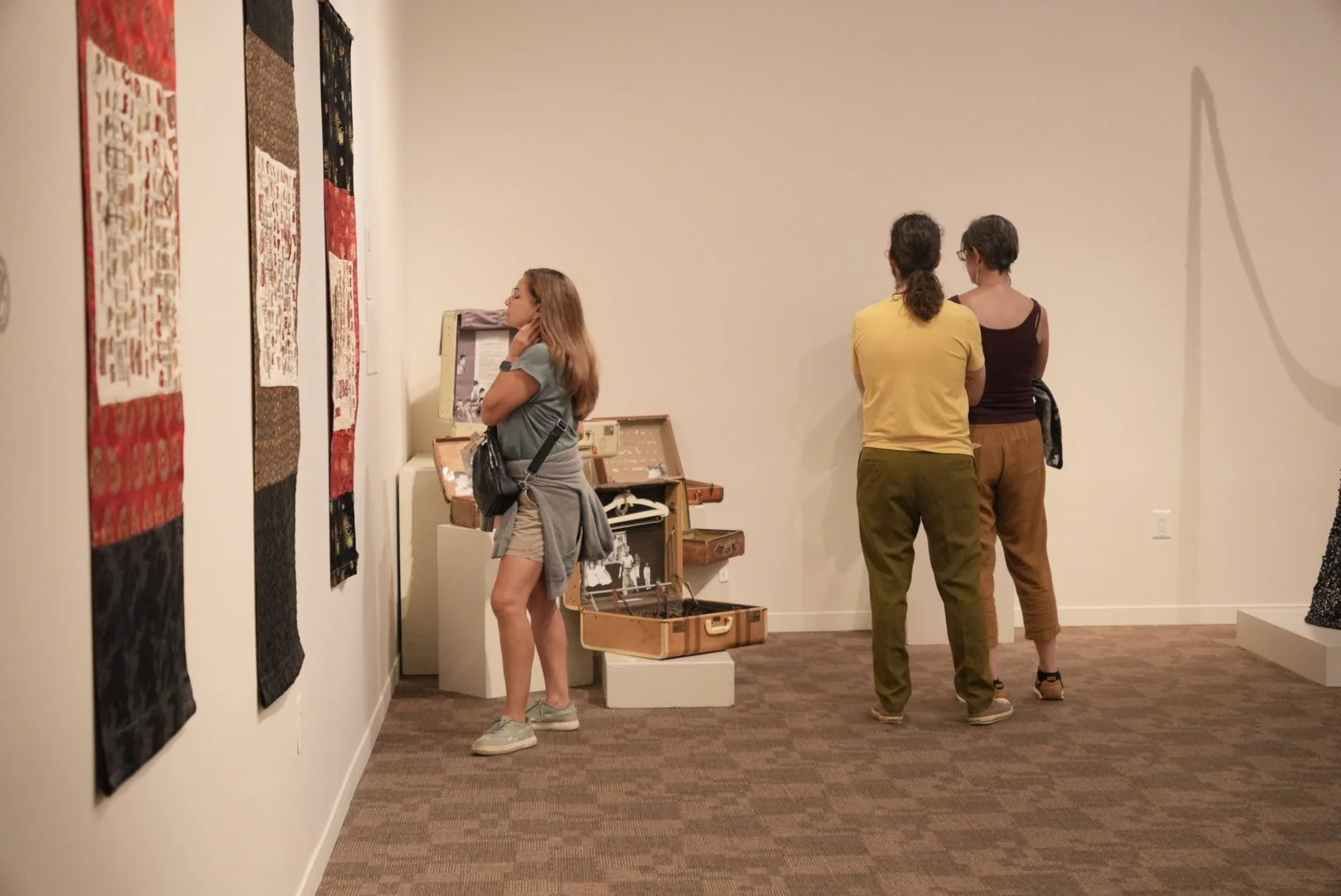
Soft Structures: The Female Body as Labor and Resistance presents an array of intergenerational textiles—from traditional quilts to weavings, garments, sculptures, mixed media works, and quilted paintings—all exploring the relationships between the female body, labor, place, and resistance.
The title, Soft Structures, refers to the delicate, malleable, and systematic qualities of textiles, as well as the interplay between the societally perceived softness of femininity and the deeper strength and tenacity necessary to challenge gender inequalities. As female labor continues to be undervalued and patriarchal ideals remain woven into the lives of every woman, this exhibition examines how gendered experiences shape artwork and identity.
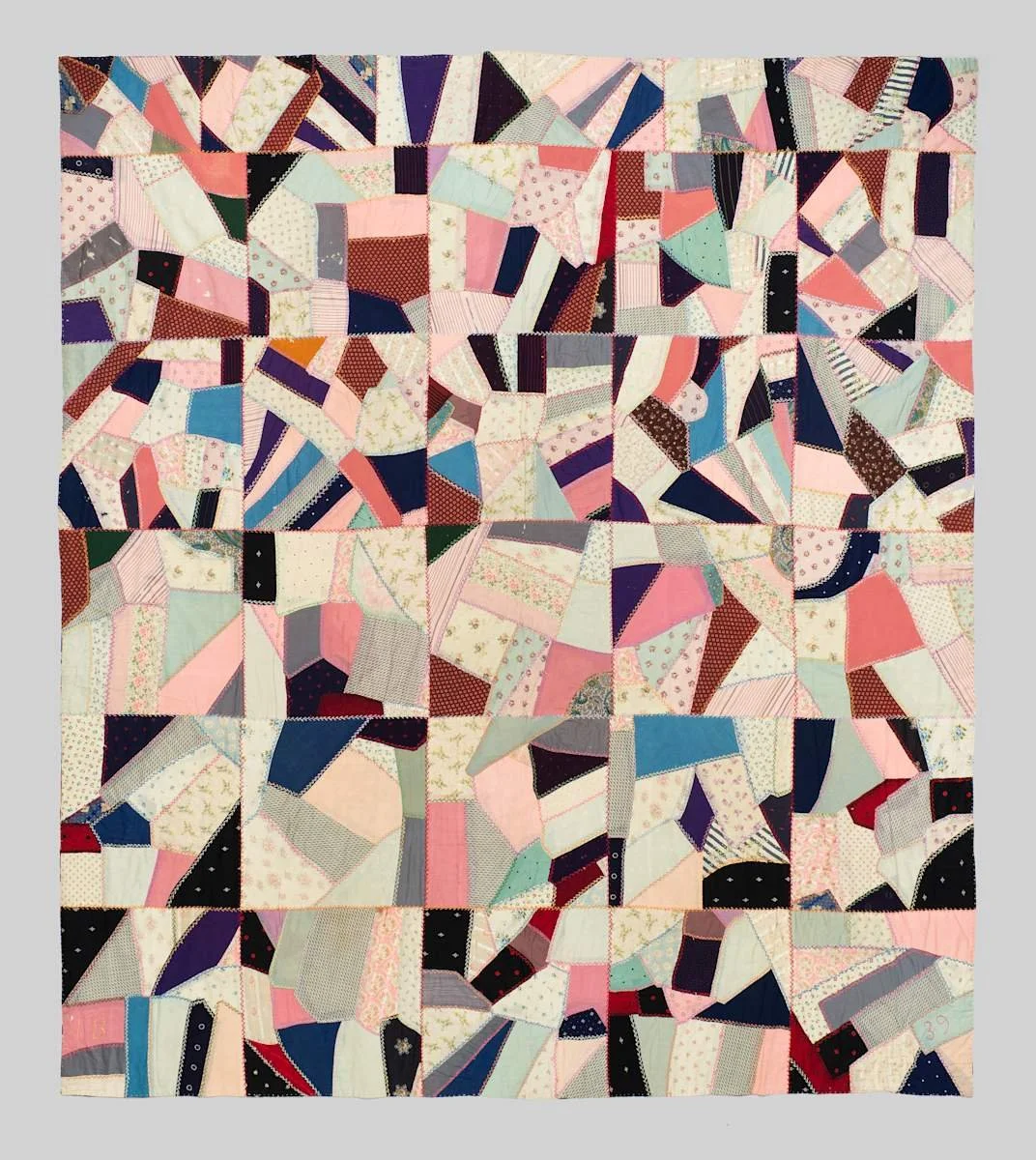
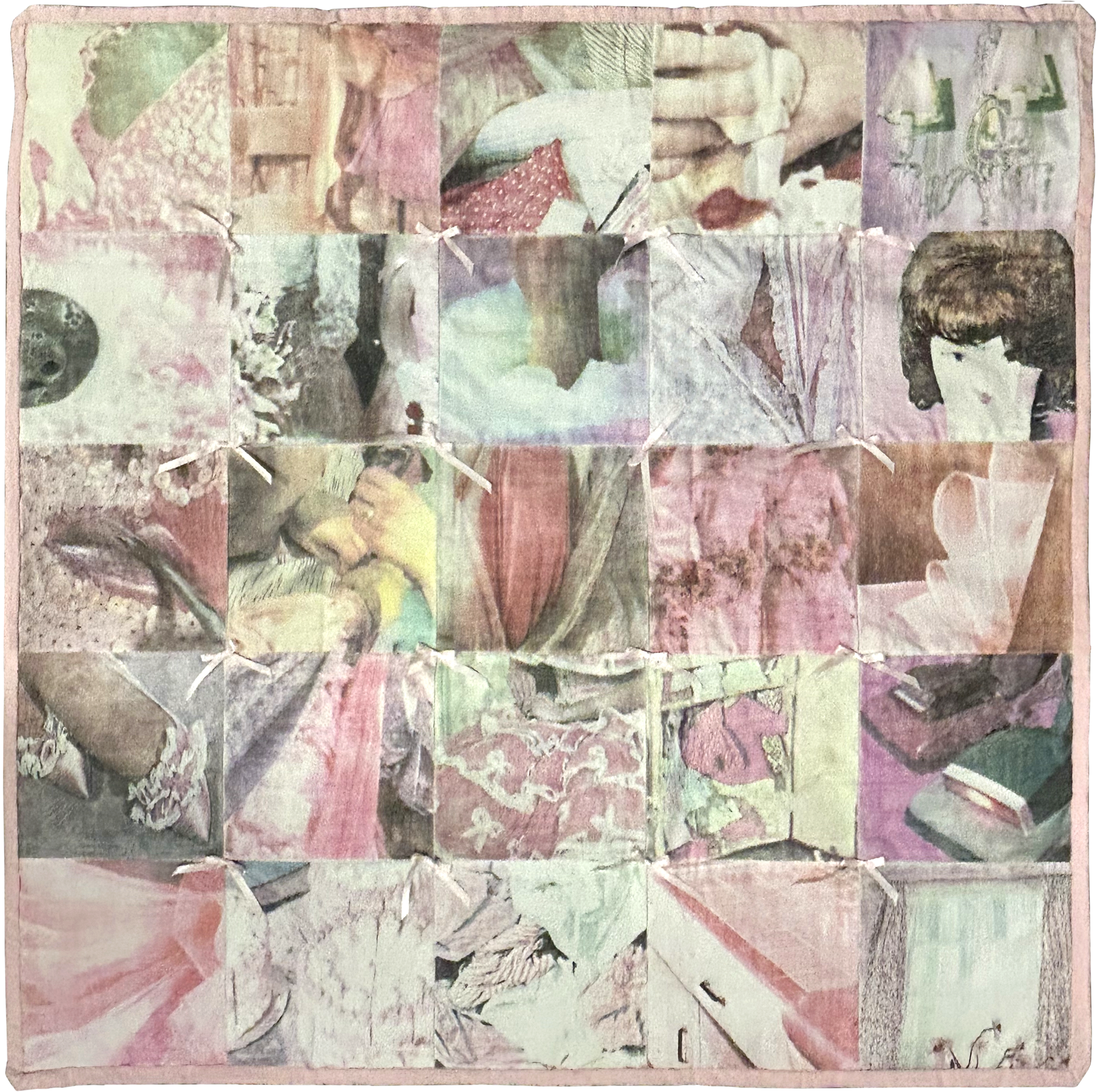
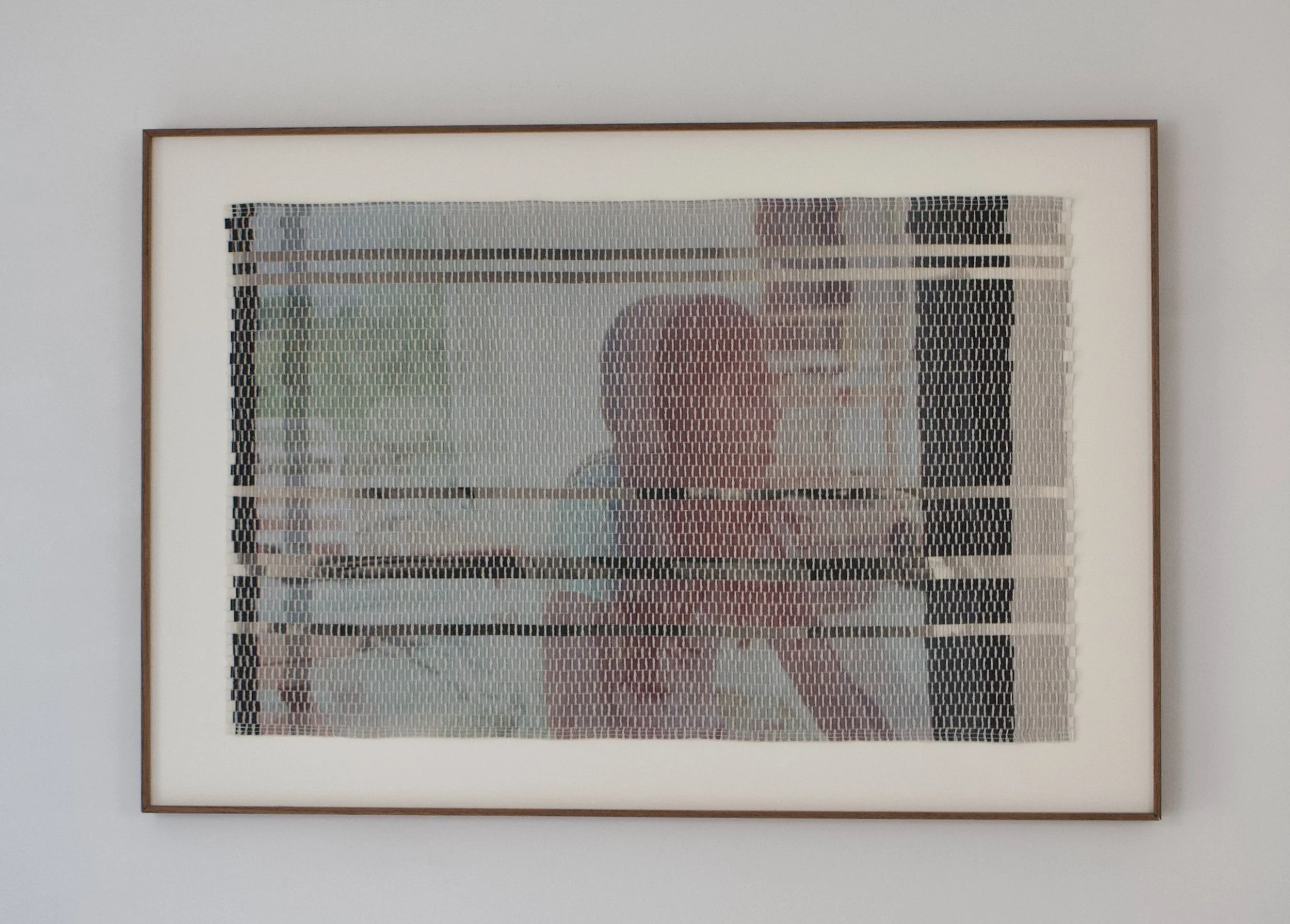
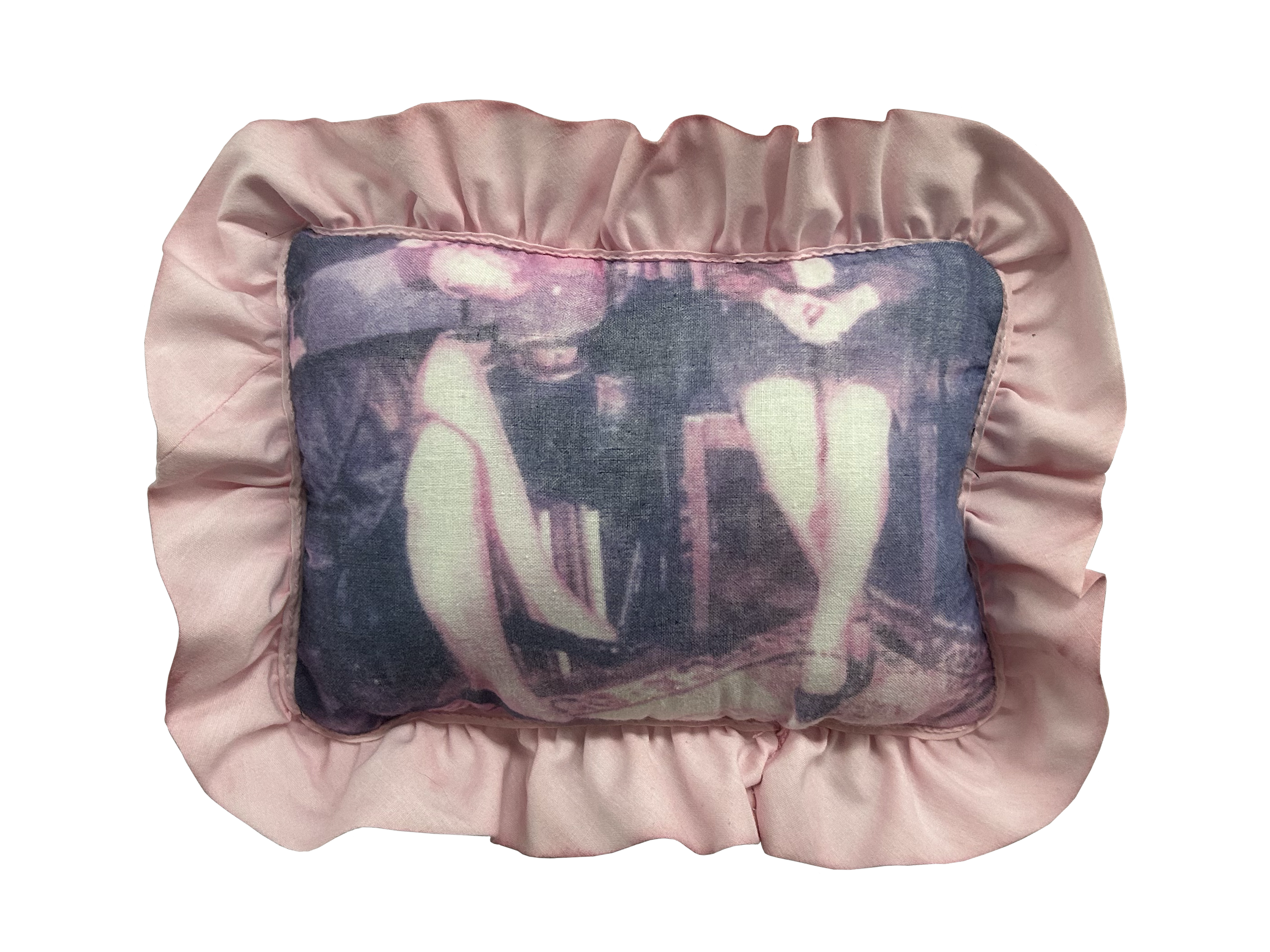
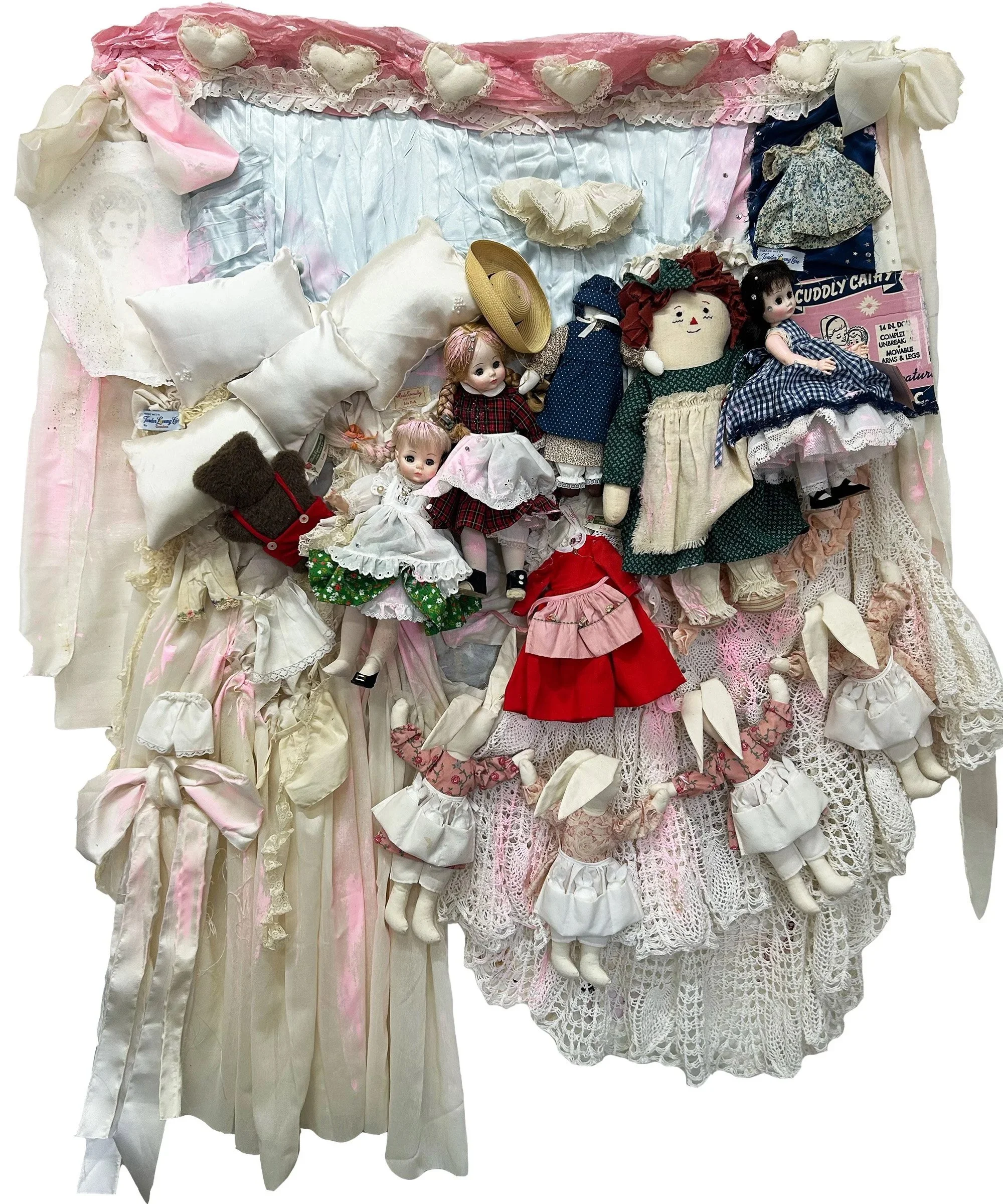
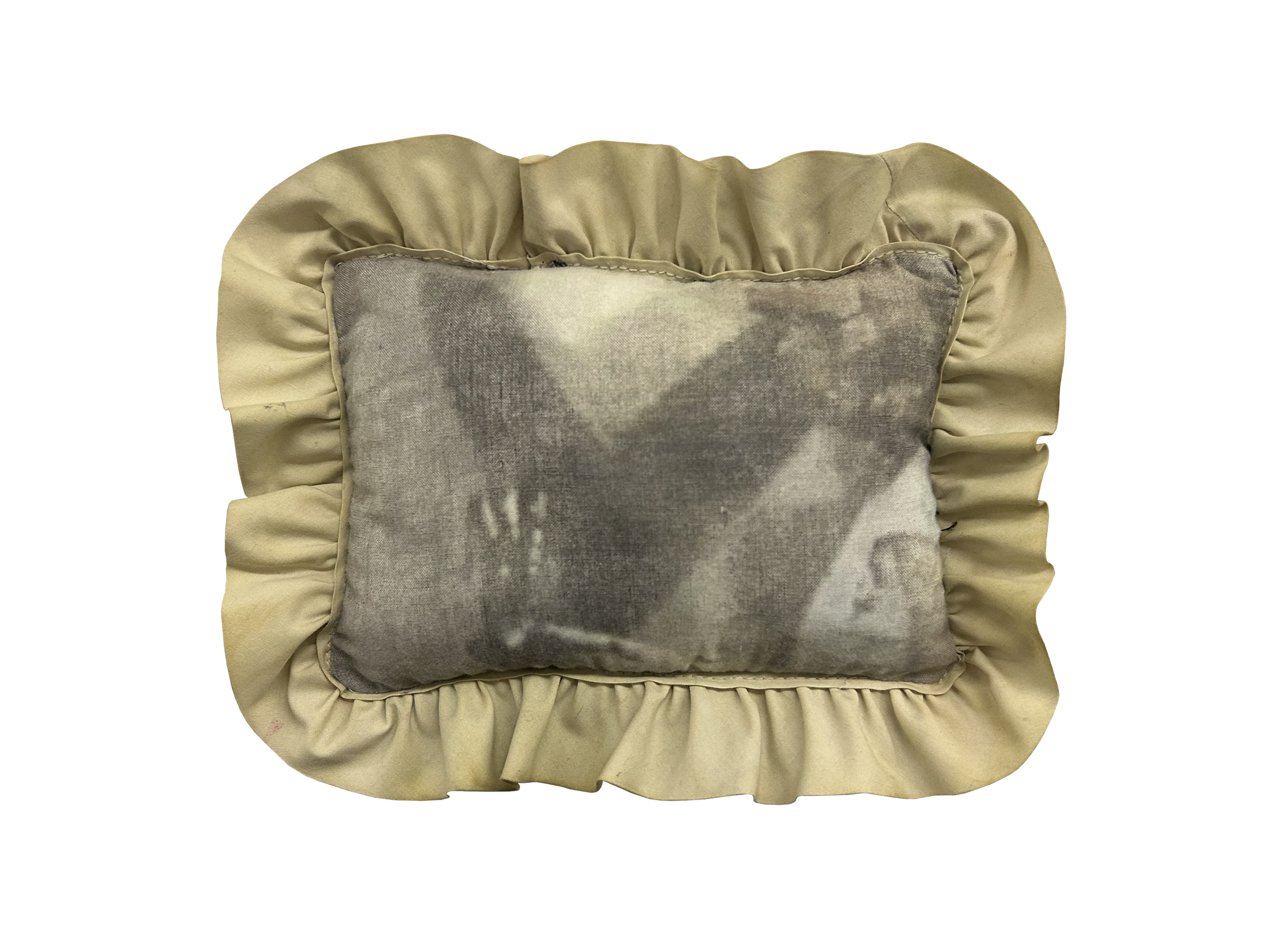
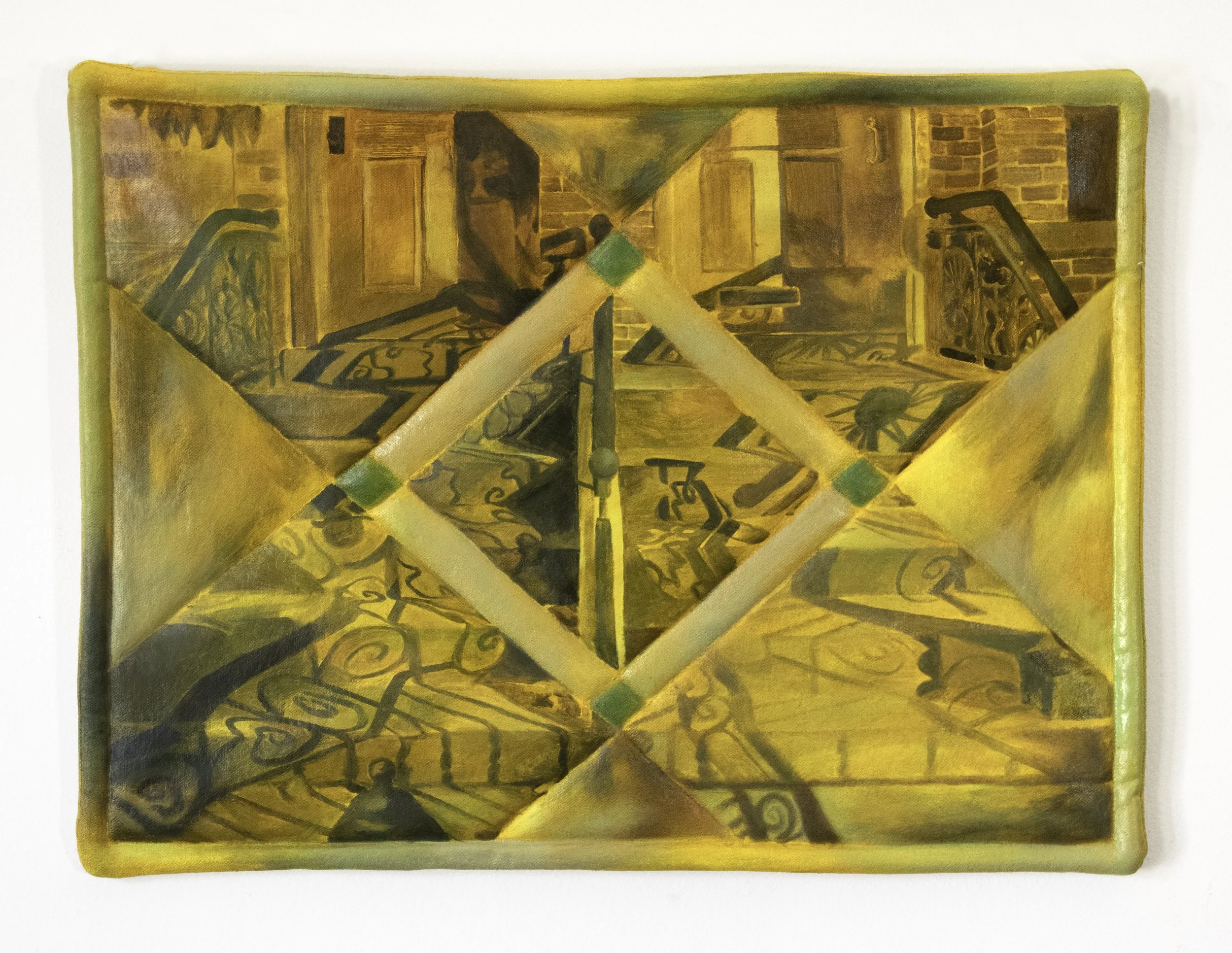
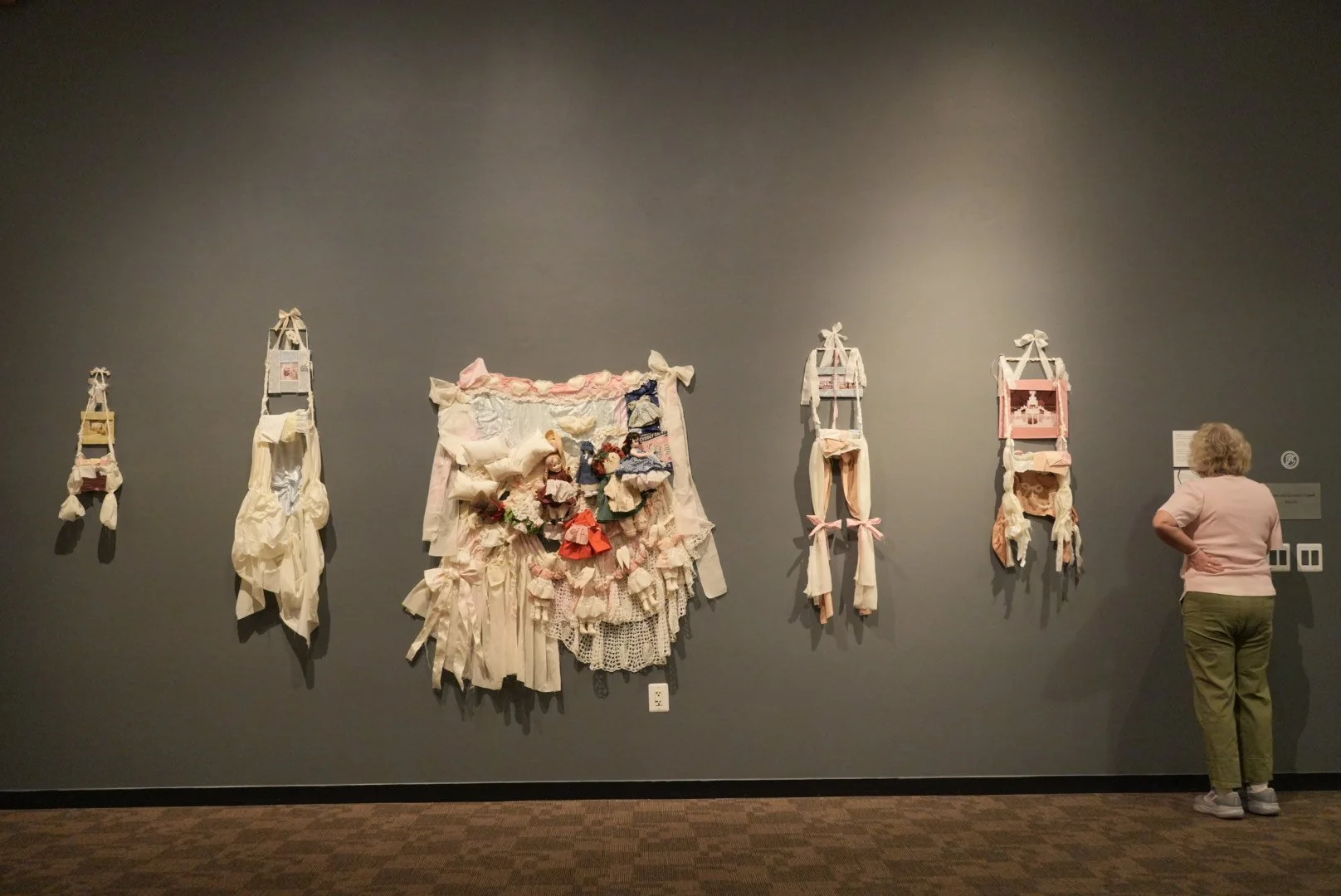
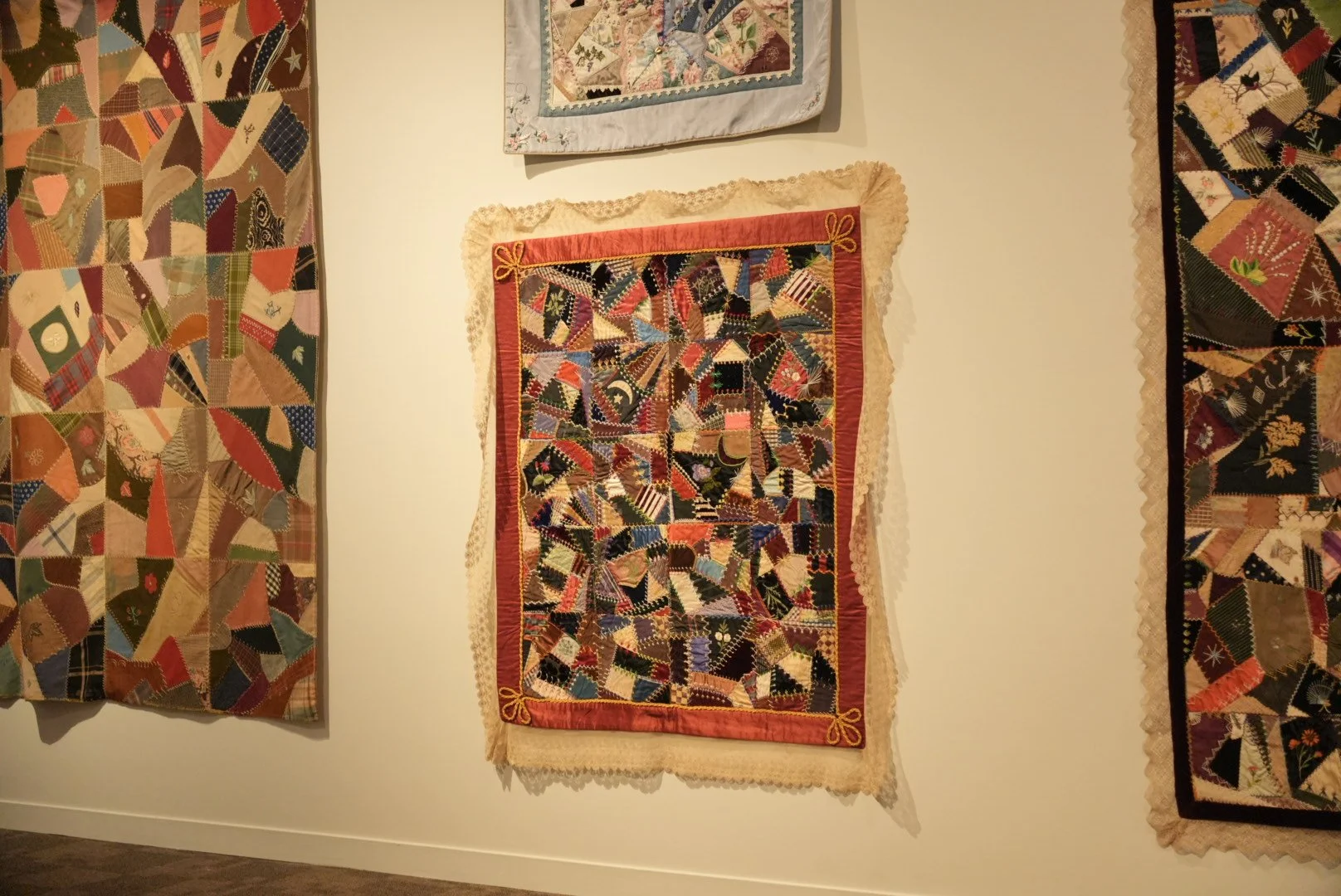
Historically, “women’s work” has been associated with function, art created to be overlooked. The domestic functionality of women's work made it invisible and immediately consumable in the everyday. The term itself became a tool to devalue women's labor and creativity while also restricting them to their homes. Women expanded beyond pure functionality when creating crazy quilts in the late nineteenth century; these quilts acted as artistic avenues to document valued experiences and memories. Soft Structures honors the work of women both in and outside of functional uses, while also accentuating how modern artists have built upon the expansive history of women’s work. Contemporary fine artists reflect on their lives through mediums taught to them by generations before. Kayla Dantz utilizes traditional weaving practices to examine familial connections, Sydney Kleinrock quilts canvas fabric, turning a historic practice into a channel for detailed oil paintings, and Maddie Duda directly includes family heirlooms—dolls, doilies, and photographs integrated throughout her nostalgic work.
Soft Structures tells the stories of real women through textile craft, from crazy quilts to knitting with VHS tape, we get a glimpse of their relationship with materials, labor (domestic, professional, artistic), the female body, and their personal stories. We highlight and celebrate the experiences of women as fine artists and the labor they undertake in all facets of life.
Past Exhibitions:
A Mi Manera
Special Exhibit opens at the San Jose Museum of Quilts & Textiles on Friday, June 5th, 2026 through Sunday, September 20th, 2026.
Thursdays, Fridays | 1 pm to 5 pm
Saturdays, Sundays | 11 am to 5 pm
A Mi Manera is sponsored in part, by AARP & LUNA Mexican Kitchen


A Mi Manera
A Mi Manera / My Own Way explores the breadth and evolution of the Latino experience through textile art, highlighting the intimate and communal acts of making that carry deep cultural memory. From inherited traditions like embroidery, weaving, quilting, and garment-making to contemporary experiments with fabric, the exhibition will feature artists whose practices draw upon techniques and materials that fill our homes, closets, and altars. These tactile practices are often passed from one generation to the next—grandmothers teaching stitches, mothers repurposing garments, fathers repairing late into the night, as well as friends learning and sharing cultural knowledge online.
The phrase “a mi manera”—“my own way”—reflects a spirit of individuality shaped by cultural inheritance. This exhibition honors how artists reclaim, rework, and reimagine traditional forms of both Latine roots and American life, transforming them into new heirlooms for future generations. Together, the works in the exhibition will form a living archive that speaks to migration, memory, labor, celebration, family, and community.
While centered on the experiences of Mexican American and broader Latino communities in the Bay Area and beyond, the exhibition also invites visitors to consider how textiles act as vessels of identity—stitched with stories, symbols, and a sense of belonging.
& Dance of Life
Featuring Latine Textile Traditions

Exhibitions from the Collection & Volunteer-Curated:
Dance of Life
Dance of Life highlights quilts from our collection representing various facets of life spanning from childhood to old age and beyond. Often, artists create quilts commemorating milestones in both their lives and those of their loved ones, in the process documenting and passing on personal history.
Latine Textile Traditions
In combination with A Mi Manera, the selected Central and South American textiles from our collection displays a breadth of Latin American work, highlighting the influences of Indigenous textile practices into the present day.
The Woven Pixel
Special Exhibit opens at the San Jose Museum of Quilts & Textiles on Thursday, January 29th, 2026 through Sunday, May 10th, 2026.
Thursdays, Fridays | 1 pm to 5 pm
Saturdays, Sundays | 11 am to 5 pm


The Woven Pixel explores the rise of digital weaving, which emerged in the early 2000s. It brings together a variety of work by artists and designers who experiment with digital looms and jacquard software. It pays tribute to two artists in particular, Bhakti Ziek and Alice Schlein, who wrote The Woven Pixel (2006), which quickly became something of a bible for weavers in art, design, and industry—and referenced still today. Because every intersection of warp and weft represents a pixel, weaving seamlessly merged with the earliest computer technologies. Today, digital weavers are altering the landscape of contemporary art and design using algorithmic painterliness, expressive structures, and flexible parametric forms. Curated by Sarah Mills.